
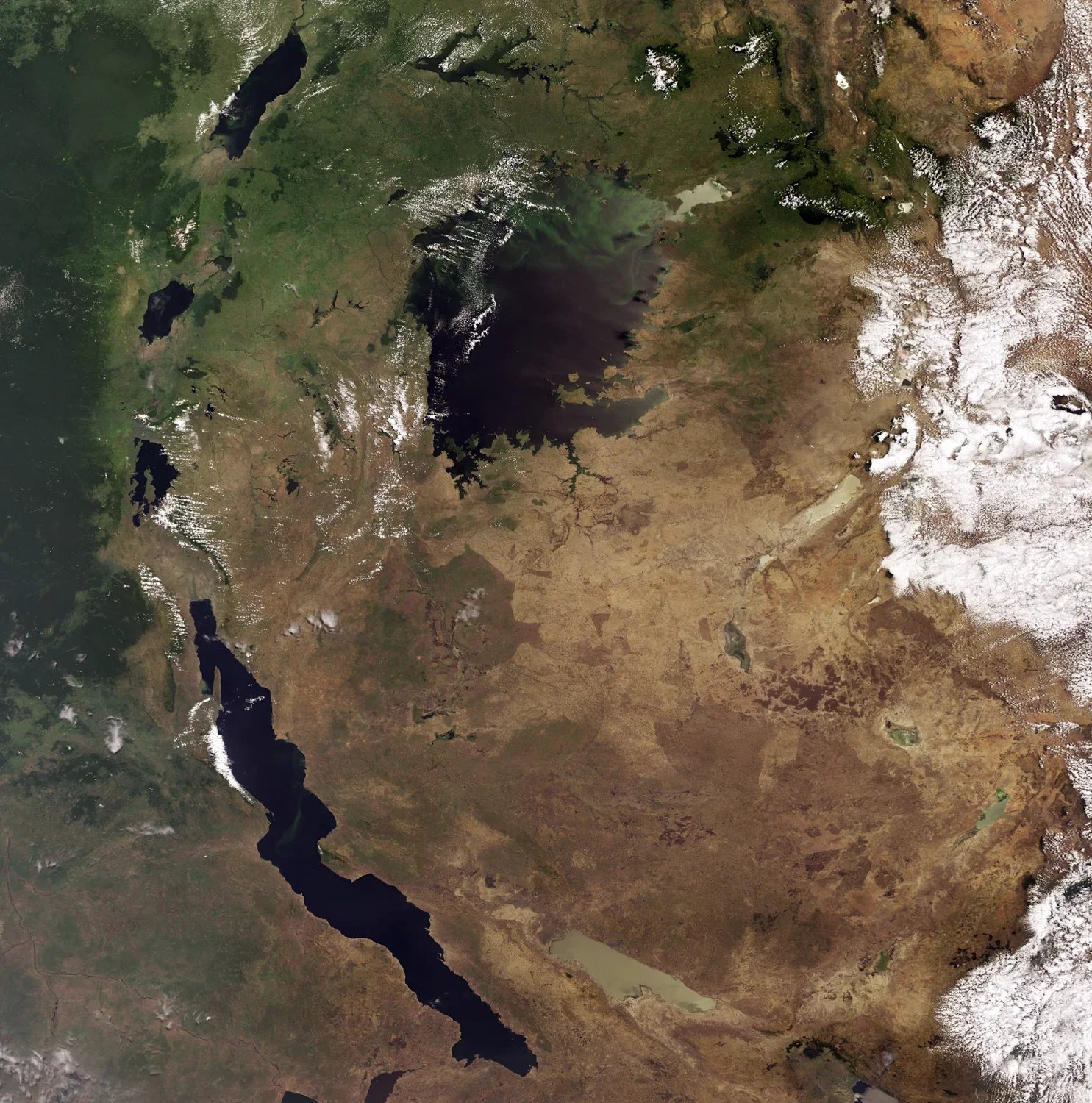
The Great Lakes Crisis
An International Relations and Diplomatic Simulation
Conflict. Resources. Power.
Can you negotiate a way out of crisis?
What happens when a regional conflict threatens international security, disrupts critical mineral supplies, and draws competing governments, corporations, and armed groups into an increasingly complex geopolitical crisis?
In the Great Lakes region of Africa, longstanding tensions, territorial disputes, and competition over strategically important natural resources have created one of the world's most complex security challenges.
In this immersive one-day simulation, students assume senior political, diplomatic, corporate, and security roles as a rapidly deteriorating regional crisis unfolds. They must navigate competing national interests, respond to emerging intelligence, negotiate with international counterparts, and make consequential decisions under pressure.
As events develop, students will confront the realities of modern conflict, including the changing role of drone technology, private military and security companies, critical mineral supply chains, and international intervention. They must balance national security, economic interests, and humanitarian considerations while working towards a sustainable diplomatic resolution.
Combining academic instruction with an interactive crisis simulation led by professionals and experts, the programme offers an opportunity to explore the realities of international relations and global security beyond the classroom.
Learning Outcomes
By the end of the programme, students will have developed an understanding of:
International Relations: the principal theories of international relations, regional power dynamics, and the interests shaping contemporary geopolitical competition
Conflict & Regional Security: the causes and consequences of conflict in the Great Lakes region
Critical Minerals & Global Economics: the strategic importance of natural resources and their influence on international trade, investment, and security
Modern Methods of Warfare: the changing nature of conflict, including drone technology, intelligence capabilities, asymmetric warfare, and private security companies
International Law & Humanitarian Affairs: the principles of international humanitarian law, civilian protection, displacement, and the responsibilities of governments and other actors
Diplomacy & International Cooperation: the role of international institutions, regional organisations, and diplomatic negotiations in managing conflict and securing peace
Corporate Responsibility: the relationship between private enterprise, natural resource extraction, international investment, and political stability
Strategic Decision-Making: evaluating competing information, assessing risk, and making informed decisions in complex and uncertain circumstances
The simulation will also develop transferable skills in leadership, teamwork, negotiation, critical thinking, communication, and collaborative problem-solving. Students will gain experience working in teams, presenting arguments, defending strategic positions, and negotiating with counterparts holding competing interests.
The programme will provide valuable career insight into international relations, diplomacy, government, law, security, economics, and international development, while enabling students to build connections with like-minded peers.
Programme Details
Easter 2027
One-day | Live | Online
Date: Saturday 3 April 2027
Time: 10:00am–4:30pm UK time
Format: live online, highly interactive, small-group simulation
Cohort: limited to 12 students
Who It’s For: students in Years 10–13 with an interest in politics and international relations, as well as gap-year students and undergraduates
Fees
Standard: £200
Includes the full-day Simulation, all teaching and course materials, and a digital certificate upon completion.
Enhanced: £300
Includes everything in Standard, plus:
One-to-one mentorship session
Personalised CV and LinkedIn feedback
Access to catch-up recordings, where required
Expert-led Instruction
The programme is led by experienced professionals with backgrounds in international diplomacy, African security, risk intelligence, military strategy, and natural resources.
The teaching team brings together complementary academic and professional experience, including:
International Diplomacy & Government: senior diplomatic experience within European foreign services, including postings in the Central African region, with a focus on international cooperation and regional affairs
African Security & Risk Intelligence: senior professional experience managing geopolitical, security, and third-party risks across African operations for a major international mining group, including work on strategically significant natural resource projects
Academic & Research Expertise: academic backgrounds at the University of Oxford and King's College London, with research interests spanning international relations, military strategy, contemporary conflict, and political history
University Teaching & Professional Practice: experience teaching at the University of Oxford, conducting specialist research and advising on security, integrity, and operational risks in complex international environments